Changes to Healthwatch: What’s happening explained
What’s happening?
The Government has published a new Health Bill that may change how patients and people who use health and social care services are listened to.
Under the proposed new law, Healthwatch England’s responsibilities will move to the Department of Health and Social Care, and the functions of Local Healthwatch like ours in Haringey could be taken over by the NHS and local council.
At this stage, there are still many unanswered questions about what any future changes could look like locally or nationally, including how people’s experiences of care would be gathered in future.
When will this happen?
We don’t yet know when these changes will take place. The Department of Health and Social Care will provide more details as the legislation moves through Parliament, and the Bill may be subject to amendments before any changes are finalised.
While national discussions continue, Healthwatch Haringey’s work locally carries on as normal.
When people hear phrases like “Healthwatch is closing” or see headlines about changes to the NHS, it can understandably feel worrying or confusing.
We’ve already had people asking what’s happening, whether they can still come to Healthwatch for help, and what any of this might actually mean day to day.
We also know that some people may not really know what Healthwatch does, or why these changes matter.
Below we explain, who we are, what we do, what has been proposed so far, and what this could mean for people in Haringey.
What Healthwatch does
Healthwatch listens to people’s experiences of health and social care services, good and bad, and makes sure those experiences are heard by the organisations responsible for planning and delivering care.
We are independent from the organisations people tell us about. That means people can speak openly about both good and bad experiences, and we can raise concerns and highlight patterns across care.
People often come to us when:
- They cannot get an appointment.
- Something has gone wrong.
- They are unsure where to go for help.
- Communication has been unclear.
- They feel they have not been listened to.
We also help people understand how health and care systems work and where they can go for practical information and support.
A lot of people may never contact Healthwatch directly, and that is completely fine. But when people do share their experiences with us, it helps build a bigger picture of what is working well, what is not, and where improvements are needed across health and social care.
Over the years, we have looked at issues including:
- Access to health and social care services
- GP appointment systems
- Patient transport services
- Waiting times
- Making healthcare appointments more accessible
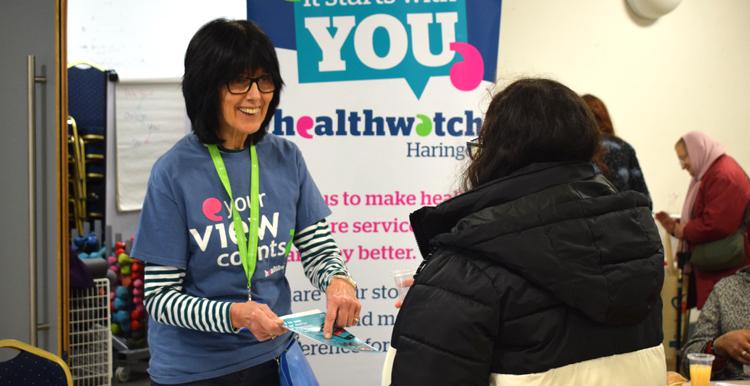
A big part of our work is going out into communities and speaking to people where they already are, not just expecting them to come to us. That might be at community groups, local events, libraries, hospitals or other venues across Haringey.
This helps us hear from people whose experiences are not always heard clearly enough, including older and younger people, autistic people, people with long term health conditions, and people from ethnic minority communities.
Why have changes been proposed?
The Government has said it wants to change how people’s experiences of health and social care are gathered in future.
Part of the Government’s argument is that there are currently several organisations involved in listening to feedback about care, and that bringing responsibilities together could make public services more joined up and reduce duplication.
While that may sound straightforward in principle, Healthwatch organisations across England have raised concerns about whether this is the right approach and are arguing instead for Healthwatch to be strengthened with more funding and resource.
If the plans go ahead, responsibility for listening to people’s experiences and gathering public feedback about health and social care would move into the organisations already responsible for planning and overseeing care locally, rather than being carried out by independent Healthwatch organisations.
What could this mean in Haringey?
In Haringey, this could mean:
- NHS West and North London Integrated Care Board would take on responsibility for gathering feedback and people’s experiences relating to NHS care in the borough
- The local council would take on responsibility for gathering feedback and people’s experiences relating to social care.
At this stage, there is still very little detail about extra staffing, funding, or how this would work day-to-day in practice.
The current proposal is not for Healthwatch organisations to continue under the Healthwatch name or move directly into these organisations. Instead, responsibility for this work would sit within those organisations themselves, or another organisation they choose to commission to carry it out on their behalf.
This would be a major change to how people’s experiences of care are gathered and represented.
Healthwatch organisations across England have raised concerns about the importance of keeping an independent public voice for health and social care.
Why independence matters
One concern is that if organisations are responsible for reviewing feedback about their own care, there is a risk of them effectively “marking their own homework”.
There are also concerns that splitting health and social care feedback between different organisations could make it harder to understand people’s full experiences and identify wider inequalities.
Recent reports from organisations including The King’s Fund have also highlighted the importance of independent public feedback and local insight in helping improve care.
One of the biggest questions still being discussed nationally is what would replace local Healthwatch organisations in future, and how independent any new arrangements for gathering public feedback would be in practice.
At the moment, there is still very little detail about how people would share concerns independently in future, or how local feedback and experiences would continue to be publicly reported and represented.
What this means right now
These changes have not happened yet. Healthwatch is still here, and our work continues as normal.
Right now:
- You can still contact us.
- You can still share your experiences and suggestions, anonymously if you wish.
- You can still get help understanding your care, appointments and where to go for support.
Any changes are unlikely to happen before April 2027.
While the Government has set out the overall direction, a lot of the detail is still being worked through, including how people would share their experiences in future and what this would look like locally day to day.
Some details, including what happens to existing feedback, reports and recommendations in future, are also still unclear.
What happens next
The King’s Speech on 13 May 2026 confirmed the Government’s intention to bring forward an NHS Modernisation Bill.
The King’s Speech is where the Government sets out the laws and major changes it plans to introduce during the next Parliamentary session.
The legislation is needed because organisations including NHS England and Healthwatch are currently set out in law, so Parliament would need to approve any formal changes to how they operate or whether they continue in their current form.
This does not mean the changes happen immediately. The Bill must still be debated in the House of Commons and House of Lords and approved through the Parliamentary process before any changes become law.
During this process, different parts of the Bill could still be challenged, changed or amended.
The Government has now released further information about the proposed NHS Modernisation Bill, which received its second reading in Parliament on 1 June 2026.
Healthwatch organisations across England are now reviewing the proposed changes in more detail to better understand what it could mean locally and nationally, including how people’s experiences of care may be gathered in future.
Local Healthwatch organisations are also expected to write to Members of Parliament (MPs) about the importance of independent public feedback and local insight as the Bill moves through Parliament.
The Government has described the proposed Bill as part of wider plans to reform and modernise the NHS.
As things become clearer, we will continue to explain what is happening and focus on what any changes could mean in practice for people locally.
Our work continues
While national discussions about the future of Healthwatch continue, our work locally carries on as normal.
Every day, we hear from people about long waits for appointments, confusion about where to go for help, and communication that is not always clear.
We also hear positive experiences, where staff have made a real difference and where organisations have responded positively to concerns people have raised.
We regularly meet with organisations responsible for planning and delivering health and care services locally to share what people are telling us, including both good experiences and areas where improvements are needed.
That feedback continues to help highlight what is working well, where improvements are needed, and where change is happening locally.
Whatever happens nationally, there will still need to be ways for people to share their experiences, raise concerns, and help shape care locally in future.
We are still here
We know this kind of uncertainty can feel unsettling. Health and social care can already be difficult to navigate at times, and it is important people know where they can still go for help and information.
Right now, there is no gap.
We are still here, still listening, and people can still come to us.
If you have used the NHS or social care and want to share your experience, we would still like to hear from you. What people tell us helps show what is working well, what is not working, and where care needs to improve.